
Baby Weight Chart by Month in kg
Observing a baby to grow is one of the most thrilling aspects of being a parent. Babies undergo a high rate of body transformation between the initial few weeks after birth and the first birthday. Weight monitoring is one of the surest means through which one can monitor the development of the baby.
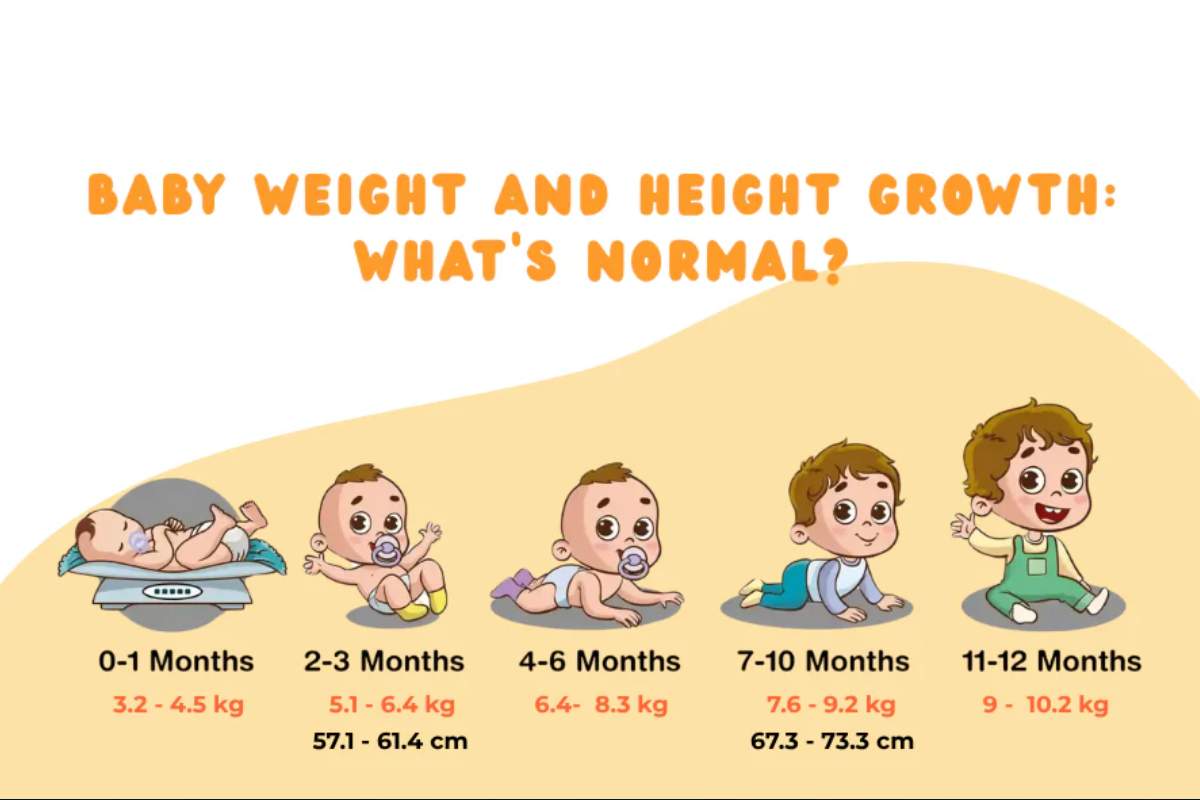
Monthly baby weight chart in kg will allow parents to know whether his or her baby develops at a normal rate. Growth charts are standardized charts used by pediatricians worldwide to monitor infant growth and to identify any possible health problems at their initial stages.
In this guide, we will explore the monthly baby weight chart in kilograms, explain how growth charts work, discuss factors that influence infant weight, and share tips for maintaining healthy baby growth.
Table of Contents
Why Monitoring Baby Weight Is Important
One of the indications of infant health and nutrition is weight. The first year of life is the most active in the growth of infants, so regular observations are important.
When the weight is steadily getting bigger, the baby is normally being fed properly and is growing in a standard manner.
Benefits of tracking baby weight include:
- Identifying nutritional issues early
- Monitoring healthy growth patterns
- Helping pediatricians diagnose medical conditions
- Giving parents peace of mind
Nevertheless, one should keep in mind that no two babies develop in a similar way. There are those babies who gain weight very fast and those who gain very slowly.
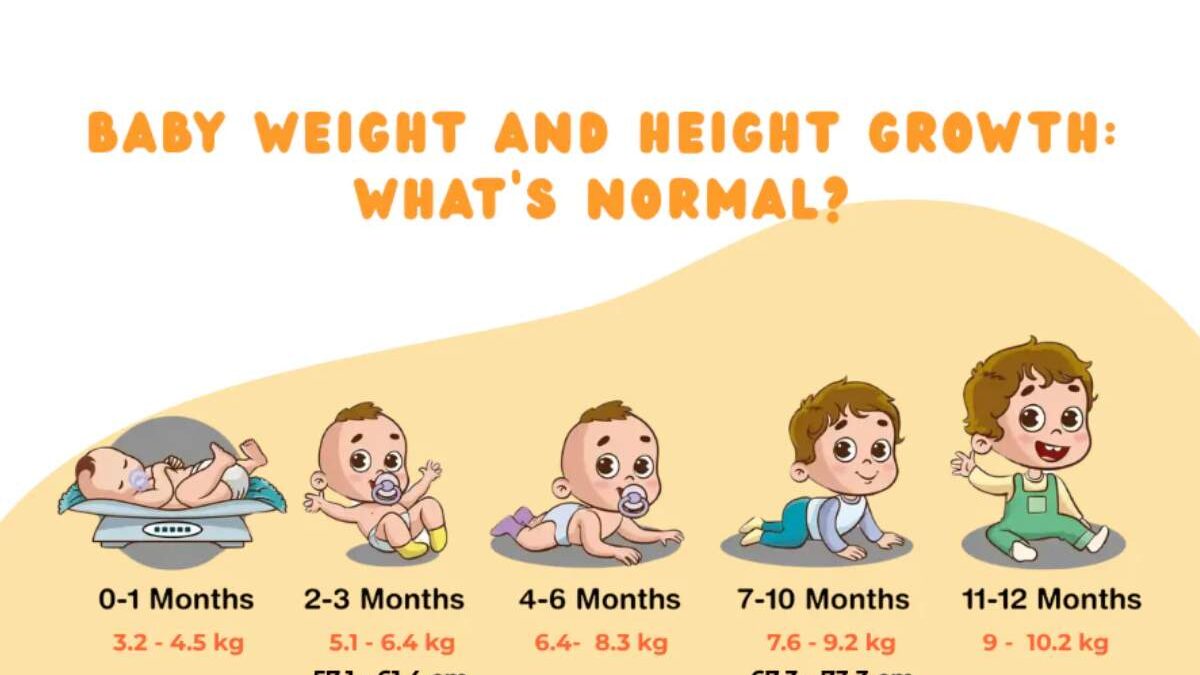
Baby Weight Chart by Month in kg
The table below is a reference to the World Health Organization (WHO) growth standards that are popular with pediatricians in various countries around the world.
These values show approximate ranges for healthy infant growth.
Baby Weight Chart for Boys (kg)
| Age | Low Range (kg) | Average (kg) | High Range (kg) |
| Birth | 2.5 | 3.3 | 4.0 |
| 1 Month | 3.4 | 4.5 | 5.7 |
| 2 Months | 4.2 | 5.6 | 7.2 |
| 3 Months | 4.7 | 6.4 | 8.2 |
| 4 Months | 5.0 | 6.9 | 8.8 |
| 5 Months | 5.3 | 7.3 | 9.4 |
| 6 Months | 5.6 | 7.6 | 9.9 |
| 7 Months | 5.8 | 7.9 | 10.3 |
| 8 Months | 6.0 | 8.2 | 10.7 |
| 9 Months | 6.2 | 8.4 | 11.0 |
| 10 Months | 6.3 | 8.6 | 11.3 |
| 11 Months | 6.4 | 8.8 | 11.5 |
| 12 Months | 6.5 | 9.0 | 11.8 |
Baby Weight Chart for Girls (kg)
| Age | Low Range (kg) | Average (kg) | High Range (kg) |
| Birth | 2.4 | 3.2 | 4.1 |
| 1 Month | 3.2 | 4.2 | 5.6 |
| 2 Months | 4.0 | 5.1 | 6.9 |
| 3 Months | 4.5 | 5.8 | 7.7 |
| 4 Months | 4.8 | 6.2 | 8.3 |
| 5 Months | 5.1 | 6.6 | 8.8 |
| 6 Months | 5.3 | 6.9 | 9.2 |
| 7 Months | 5.5 | 7.2 | 9.6 |
| 8 Months | 5.7 | 7.4 | 9.9 |
| 9 Months | 5.8 | 7.6 | 10.2 |
| 10 Months | 6.0 | 7.8 | 10.5 |
| 11 Months | 6.1 | 8.0 | 10.7 |
| 12 Months | 6.2 | 8.2 | 11.0 |
These charts are only a guiding line but each growth pattern might be different.
Average Monthly Weight Gain for Babies
Infants develop at a very fast rate during their first few months of life. The weight gain is likely to follow some patterns within the first year.
The expected weights gain has the following range:
- Newborn to 3 months: around 150–200 grams per week
- 3 to 6 months: around 100–150 grams per week
- 6 to 12 months: around 70–90 grams per week
The majority of babies have the following milestones:
- The birth weight tends to increase twice at 5 months.
- Gain of birth weight is normally tripled at 12 months.
These are the standards used by pediatricians to tell whether there is normal growth.
Factors That Affect Baby Weight
There are a number of biological and environmental factors that have an impact on infant development.
Genetics
The body shape of parents may also determine the size of babies as well as their growth trends.
Feeding Method
Breastfed babies might exhibit a slightly different growth pattern than the baby fed with formula.
Birth Weight
Infants who are born of a high birth weight might stay bigger during the infancy.
Prematurity
Premature infants do not develop properly and can use modified growth charts.
Health Conditions
Some health conditions may have an impact on weight gain and feeding. (NHS)
Breastfed vs Formula-Fed Baby Weight Patterns
Despite the fact that all the two feeding methods enable healthy growth, there can be slight variations in weight gain patterns.
| Age | Breastfed Average Weight (kg) | Formula Fed Average Weight (kg) |
| 1 Month | 4.4 | 4.6 |
| 3 Months | 6.2 | 6.4 |
| 6 Months | 7.5 | 7.7 |
| 9 Months | 8.3 | 8.6 |
| 12 Months | 8.9 | 9.1 |
Research shows that breastfed babies may gain weight faster during the first few months but slow slightly later in the first year.
The two modes of feeding are both healthy when managed well.
Understanding Growth Percentiles
Growth charts are percentile-based charts that compare the infant with a huge number of babies.
For example:
- 50th percentile means average weight
- 25th percentile means lighter than average but still healthy
- 75th percentile means heavier than average
The key point is consistency. If a baby stays within the same percentile range over time, growth is usually normal.
Sudden drops or sharp increases in percentiles may require evaluation.
Signs of Healthy Baby Growth
Parents usually have concerns about the development of their baby. There are a number of indicators of healthy development.
Indicators of normal growth include:
- Steady weight gain over time
- Regular feeding patterns
- Active movement and alertness
- Adequate diaper output
- Gradual increase in length and head circumference
A newborn with a high level of energy tends to develop well.
When Baby Weight Gain May Be a Concern
While variations are common, certain patterns may indicate an issue.
Parents should consult a pediatrician if they notice:
- Baby does not regain birth weight within two weeks
- Weight gain stops for an extended period
- Baby shows poor feeding behavior
- Signs of dehydration appear
- Extreme lethargy or irritability
Early evaluation can prevent potential health problems. (World Health Organization)
Tips to Support Healthy Baby Weight Gain
Parents can encourage healthy growth through proper feeding and care.
Breastfeeding Tips
- Feed babies on demand rather than strict schedules
- Ensure proper latch during feeding
- Allow baby to finish one breast before switching
Formula Feeding Tips
- Follow recommended formula preparation instructions
- Avoid over-diluting formula
- Maintain hygiene when preparing bottles
General Nutrition Tips
- Introduce solid foods around six months as recommended
- Include nutrient-dense foods during weaning
- Continue breastfeeding or formula feeding alongside solids
Balanced nutrition helps support steady infant growth.
Tracking Baby Growth at Home
Parents can monitor growth using simple tools.
Common tracking methods include:
- Digital baby scales
- Pediatric growth charts
- Mobile baby growth apps
- Routine pediatric checkups
Consistent tracking helps identify trends rather than focusing on single measurements.
Global Growth Variations in Babies
Infant growth patterns can differ slightly across regions due to genetics, nutrition, and lifestyle.
For example:
- Babies in Northern Europe tend to be slightly heavier
- South Asian infants may have lower average birth weights
- Environmental factors influence early growth rates
Despite these differences, the WHO growth standards remain widely accepted worldwide.
Common Questions About Baby Weight
How frequently should the weight of the baby be monitored?
Newborns are usually weighed weekly during the first month and monthly afterward during routine checkups.
Is it normal for babies to lose weight after birth?
Yes. Frequently, newborns have up to 10 percent of their weight lost in the initial few days but which is gained in the course of two weeks.
Do bigger babies grow faster?
Not necessarily. The development patterns are based on genetics, nutrition and health in general.
Key Takeaways About Baby Weight Charts
Knowledge of infant growth charts is a boost to parents, who are left with no doubts regarding infant growth.
Important points to remember:
- Babies grow at different rates
- Growth charts show trends rather than strict rules
- Consistent weight gain is the most important factor
- Regular pediatric checkups help ensure healthy development
Keeping a tracking baby weight chart of weight per month in kg gives a parent a clear vision of how the baby is doing and gives them relief in the first very difficult year in existence.
Conclusion
Follow-up on infant development is a vital component of the early childhood care. A month-by-month baby weight chart in kg is handy when one wants to know about the normal development patterns within the first year.
Although the charts give helpful guidelines, every baby grows at his or her own pace. Proper nutrition, frequent medical examinations, and good parenting are the more significant ones.
Through monitoring the weight and well-being of your baby, you are able to give your child a good and healthy start in life.