
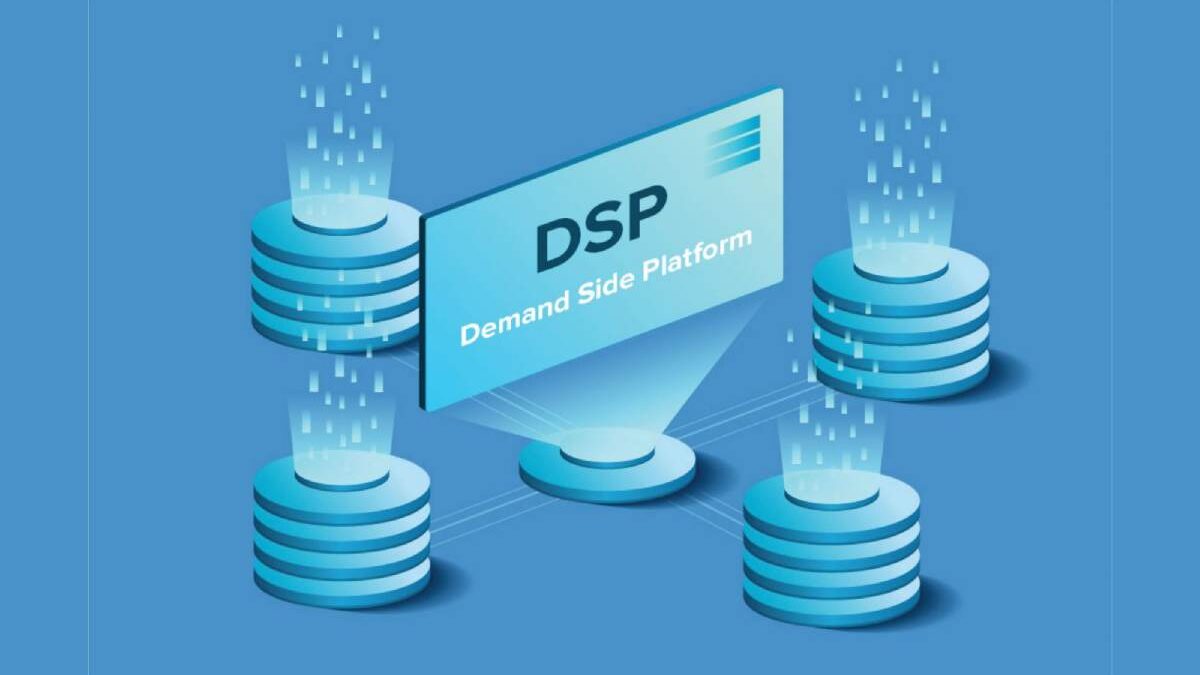
Digital advertising has undergone a structural shift over the last decade. Manual media buying, fragmented vendor relationships, and inefficient targeting have been replaced by automated, data-driven systems. At the center of this transformation is the Demand Side Platform (DSP)—a critical technology for advertisers aiming to scale campaigns efficiently while maintaining precision targeting.
This comprehensive guide breaks down what a demand side platform is, how it works, why it matters, pricing models, comparisons, and how to choose the right DSP for your business.
Table of Contents
What is a Demand Side Platform (DSP)?
A Demand Side Platform (DSP) is a software platform that allows advertisers and marketers to purchase digital ad inventory across multiple publishers automatically, in real-time, using data and algorithms.
Instead of negotiating directly with individual websites, advertisers use DSPs to:
- Buy ad impressions programmatically
- Target specific audiences
- Optimize campaigns in real time
- Manage multiple ad exchanges from a single interface
Popular DSPs include platforms like Google Display & Video 360, The Trade Desk, and Amazon DSP.
How Does a DSP Work?
At its core, a DSP operates within the programmatic advertising ecosystem, interacting with supply-side platforms (SSPs), ad exchanges, and data providers.
Step-by-Step Process
- User Visits a Website
- A user lands on a webpage with available ad space.
- Bid Request Sent
- The publisher’s SSP sends a bid request to multiple DSPs.
- Data Evaluation
- DSP evaluates:
- User demographics
- Browsing behavior
- Location
- Device type
- DSP evaluates:
- Real-Time Bidding (RTB)
- DSP decides how much to bid for that impression.
- This happens in milliseconds.
- Ad Placement
- The highest bidder wins, and the ad is displayed instantly.
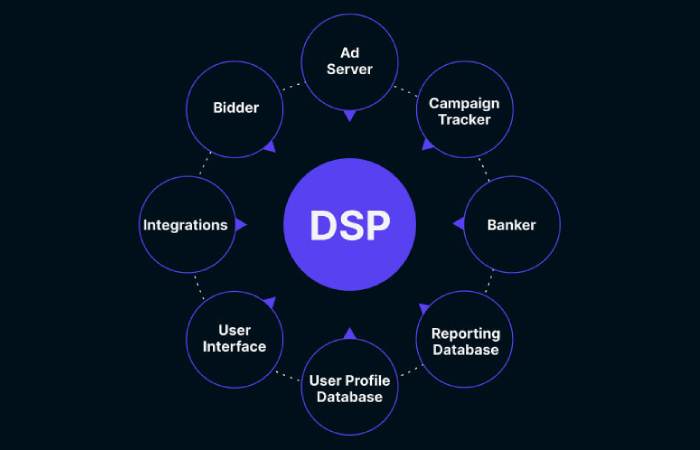
Key Components of a DSP
Understanding DSP architecture helps marketers use it more effectively.
Core Elements
- Bidder Engine – Executes real-time bidding decisions
- Campaign Manager – Controls targeting, budgets, creatives
- Data Integration Layer – Connects first-party and third-party data
- Optimization Algorithms – Improve performance automatically
- Reporting Dashboard – Provides insights and analytics
Benefits of Using a DSP
DSPs provide a range of advantages over traditional advertising methods.
- Centralized Media Buying
- Access multiple ad exchanges in one platform
- Eliminates need for multiple vendor negotiations
- Advanced Targeting
- Audience segmentation based on:
- Behavior
- Interests
- Demographics
- Retargeting data
- Real-Time Optimization
- Automatically adjusts bids and placements
- Improves ROI continuously
- Cost Efficiency
- Reduces wasted impressions
- Focuses on high-value users
- Transparency and Analytics
- Detailed performance metrics
- Campaign-level insights
DSP vs SSP vs Ad Exchange
Understanding the ecosystem is essential.
| Feature | DSP (Demand Side Platform) | SSP (Supply Side Platform) | Ad Exchange |
| Used by | Advertisers | Publishers | Both |
| Purpose | Buy ad inventory | Sell ad inventory | Marketplace |
| Focus | Demand | Supply | Matching |
| Optimization | Audience targeting | Revenue maximization | Auction |
| Control | High for advertisers | High for publishers | Neutral |
Types of DSPs
DSPs are not one-size-fits-all. They vary based on capabilities and target users.
- Self-Service DSPs
- Used by agencies and experienced marketers
- Full control over campaigns
- Example: The Trade Desk
- Managed DSPs
- Operated by platform providers
- Suitable for beginners
- Less control, more support
- Mobile DSPs
- Focus on mobile app advertising
- App install campaigns
- Connected TV (CTV) DSPs
- Specialize in streaming platforms
- Growing rapidly due to OTT consumption
DSP Pricing Models
DSP pricing varies significantly depending on features, scale, and service levels.
Common Pricing Structures
| Pricing Model | Description |
| CPM (Cost Per Mille) | Cost per 1,000 impressions |
| CPC (Cost Per Click) | Pay per click |
| CPA (Cost Per Action) | Pay per conversion |
| Flat Fee | Fixed monthly platform fee |
| Revenue Share | Percentage of ad spend |
DSP Cost Comparison Table
| DSP Platform | Minimum Spend | Fee Structure | Best For |
| Google Display & Video 360 | High | % of media spend | Enterprise advertisers |
| The Trade Desk | Medium | Platform + media fee | Agencies & large brands |
| Amazon DSP | Medium | Managed/self-service | E-commerce brands |
| MediaMath | Medium | Custom pricing | Data-driven campaigns |
| AdRoll | Low | Subscription + usage | Small to mid businesses |
Market Share Distribution (Approximate)
While exact figures fluctuate, the DSP market roughly follows this distribution:
- Google platforms: 35–40%
- Independent DSPs (Trade Desk, MediaMath): 30–35%
- Retail DSPs (Amazon): 15–20%
- Others: 10%
Key Features to Look for in a DSP
When selecting a DSP, prioritize features that align with your campaign goals.
Must-Have Capabilities
- Cross-device targeting
- AI-driven optimization
- Real-time reporting
- Fraud detection
- Brand safety controls (Mediamath)
- Third-party integrations
DSP Targeting Capabilities
DSPs excel because of their granular targeting.
Types of Targeting
- Demographic Targeting
- Age, gender, income
- Behavioral Targeting
- Browsing patterns
- Purchase intent
- Contextual Targeting
- Based on webpage content
- Geographic Targeting
- Country, city, or radius targeting
- Retargeting
- Target users who visited your site
Advantages vs Limitations
Advantages
- Scalable campaigns
- Data-driven decisions
- Automated workflows
- Better ROI tracking
Limitations
- Learning curve for beginners
- High minimum spend on premium DSPs
- Dependence on data quality
- Privacy regulations (GDPR, etc.)
DSP Use Cases
DSPs are widely used across industries.
Common Applications
- E-commerce retargeting
- Brand awareness campaigns
- App install campaigns
- Video advertising
- Lead generation
DSP vs Traditional Advertising
| Aspect | DSP Advertising | Traditional Advertising |
| Buying Process | Automated | Manual |
| Targeting | Highly specific | Broad |
| Cost Efficiency | High | Lower |
| Speed | Real-time | Slow |
| Data Usage | Extensive | Limited |
How to Choose the Right DSP
Selecting a DSP requires evaluating business needs and campaign objectives.
Decision Framework
- Budget
- Small: Go for platforms like AdRoll
- Large: Consider DV360 or Trade Desk
- Campaign Type
- E-commerce → Amazon DSP
- Brand awareness → DV360
- Technical Expertise
- Beginner → Managed DSP
- Expert → Self-service DSP
- Data Requirements
- Strong first-party data → Advanced DSPs
DSP Optimization Strategies
To maximize ROI, optimization is essential.
Proven Strategies
- Use lookalike audiences
- Implement frequency capping
- Optimize creatives regularly
- A/B test ad formats
- Use high-quality first-party data
Future of Demand Side Platforms

DSPs continue to evolve alongside digital advertising trends.
Emerging Trends
- AI and Machine Learning
- Predictive bidding strategies
- Cookieless Advertising
- Shift to first-party data
- CTV Growth
- Increased spending on streaming ads
- Privacy-First Advertising
- Compliance with global regulations (Thetradedesk)
Common Mistakes to Avoid
- Ignoring data quality
- Over-targeting audiences
- Not optimizing campaigns
- Setting unrealistic budgets
- Neglecting creative quality
Conclusion
A Demand Side Platform (DSP) is no longer optional for serious digital advertisers—it is foundational. It enables precise targeting, efficient media buying, and scalable campaign execution across multiple channels.
Whether you’re a small business exploring programmatic advertising or an enterprise brand optimizing multi-channel campaigns, DSPs provide the infrastructure needed to compete in a data-driven ecosystem.
However, success depends on choosing the right platform, leveraging quality data, and continuously optimizing performance.