


Most Relaxing Sounds for Sleep
Sleep quality hinges on a lot of things, and, actually, the sounds around you can make a huge difference. It’s kind of surprising how something as simple as ambient noise can totally change how well you snooze. This article dives into the most relaxing sounds for sleep and what they really do to help you get better rest. From that steady white noise to nature’s calming ambiance, we’ll take a good look at what’s out there and why it can work. Plus, I’ll toss in some handy tips on mixing sounds and even linking them up with tools you can use, like a twin nursing pillow, to make your sleep setup just right.
Table of Contents
I. Introduction: Defining the Role of Sound in Sleep Hygiene
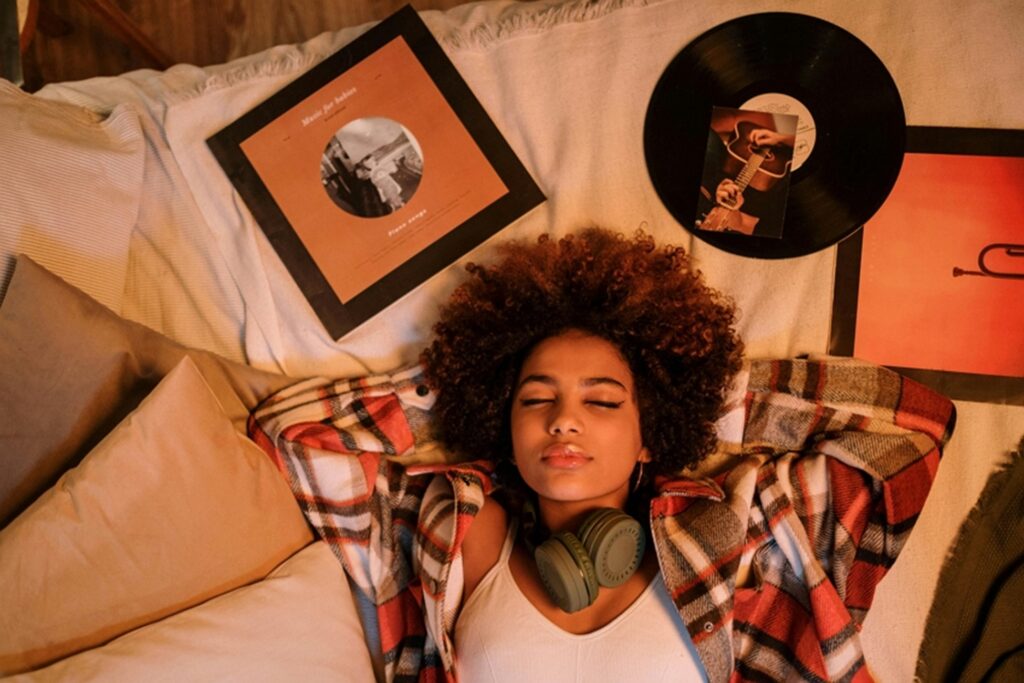
Sound isn’t just background filler when it comes to your sleep. It actually plays a pretty crucial role in how your brain shuts down at night. The right noise can help block sudden, annoying sounds that might jerk you awake, but it does more than just that. It gently nudges your brainwaves into a chill mode, telling your mind that it’s time to wind down. So yeah, sound shapes the whole vibe of your bedtime.
Here’s a quick rundown of why sound matters for sleep hygiene:
-
Helps block sudden noise disruptions that might wake you.
-
Encourages brainwaves associated with relaxation.
-
Creates a soothing atmosphere that signals bedtime.
-
Works best when paired with comfortable physical support, like a twin nursing pillow.
Getting these basics down sets the stage for using the most soothing sounds to your advantage.
II. White Noise: Masking Background Disruptions
White noise is like a sonic blanket that smothers sudden noises so they don’t hit you like a brick. Imagine a TV between channels or the steady hum of a fan—that’s white noise doing its thing. It covers up those random blips—dogs barking, cars honking, chatter—that could snap you out of sleep.
What makes white noise effective?
-
Level tones across all audible frequencies.
-
Masks household sounds like dog barking, traffic, or voices.
-
Reduces sleep latency by distracting the brain from sudden changes.
-
Delivered through machines, smartphone apps, or household appliances.
People often find white noise helpful to create a consistent background that makes falling asleep easier, especially in noisy urban areas or for babies and adults alike.
III. Pink Noise: Deeper Frequencies for Brain Synchronization
Pink noise softens white noise by focusing more on the lower frequencies, making it warmer and more natural-sounding. It’s kind of like listening to rainfall or soft wind and is known to boost the quality of deep sleep stages.
Pink noise features:
-
Balanced low and mid frequencies, resembling rainfall or wind.
-
Enhances slow brain wave patterns tied to restorative sleep.
-
Supports memory consolidation and brain recovery.
-
Safer for long-term listening due to softer tones.
Why try pink noise?
-
Promotes deeper stages of sleep.
-
Maintains comfort and prevents irritation common with harsher noises.
-
Especially helpful for light sleepers or people dealing with insomnia.
IV. Brown Noise: Low, Rumbling Frequencies for Calming
Brown noise goes even deeper than pink noise, with rumbling bass tones that feel like distant thunder or ocean waves crashing far away. It’s great for those who are extra sensitive or tense, providing a blanket of calm.
Brown noise characteristics include:
-
Heavy emphasis on bass sounds.
-
Similar to distant thunder, ocean surf, or waterfalls.
-
Helps lower heart rate and calm the nervous system.
-
Blocks sharp, high-pitched noises better than lighter noises.
You might want to use brown noise if:
-
You’re trying to relax from stress or anxiety before bed.
-
You want to create a cozy, calming sleep environment.
-
High-pitched sounds usually disturb your rest.
V. Natural Sounds: Rain, Water, and Ambient Environments
Natural sounds have this timeless appeal because they make you feel calm and safe. They offer gentle, ever-changing backgrounds that keep your brain engaged but relaxed. Common natural sounds include:
-
Gentle rain tapping on leaves or rooftops.
-
Babbling brooks or flowing rivers.
-
Ocean waves softly crashing on the shore.
-
Forest ambiance with rustling leaves and distant birdsong.
Benefits of natural sounds:
-
Mimic peaceful outdoor environments.
-
Help lower stress hormones like cortisol.
-
Offer variation that prevents the brain from getting used to one sound (habituation).
-
Often used in meditation and relaxation techniques.
VI. Binaural Beats and Their Effect on Brainwaves
Binaural beats are kind of a neat audio trick. By playing two tones that differ just slightly in frequency—one in each ear—your brain perceives a rhythmic beat that matches the difference. This can encourage brainwave states linked to relaxation and sleep, like alpha and theta waves.
What you should know about binaural beats:
-
Created by headphones delivering two slightly different tones.
-
Brain perceives a rhythmic beat based on the frequency difference.
-
Can encourage relaxation and reduce anxiety.
-
Best used with headphones for full effect.
-
Often combined with other calming sounds.
Considering binaural beats is smart if you’re open to sound-based brainwave modulation and want to ease into sleep more smoothly.
VII. Calming Music and Low-Tempo Instrumental Tracks
Music can totally switch up how your body and mind relax for sleep—if you pick it right. Slow tempo music, especially tracks under 60 beats per minute without lyrics, works best.
Keep in mind:
-
Tempo below 60 beats per minute slows your heart rate and breathing.
-
Instrumental tracks (piano, flute, strings) reduce distractions.
-
Avoid sudden changes in volume or tempo to keep stimulation low.
-
Music provides a comforting, familiar sound environment.
-
Personal preferences matter, so choose tracks that soothe you.
VIII. Personalizing Sound Selection for Optimal Relaxation
We’re all different when it comes to what sounds soothe us. That’s why personalizing your sound environment is key to getting the best rest.
Tips to tailor your sound setup:
-
Experiment with different sound types: white, pink, brown noise, nature sounds, music.
-
Adjust volume to a soothing level—not too loud or too soft.
-
Combine sounds, like layering nature sounds with binaural beats, for depth.
-
Pair sound therapy with physical comfort, like using a twin nursing pillow for cozy support.
-
Create a routine by using the same sounds nightly to cue your brain to sleep.
Putting these steps into practice helps you build a sleep environment that’s uniquely yours—and more effective.
Conclusion
The most relaxing sounds for sleep cover a wide range of options—from steady white noise to deep brown noise, from natural soundscapes to calming music and binaural beats. They all help in their own way by masking disruptions, promoting restful brainwaves, and easing anxiety. When you pair these sounds with physical sleep aids like a twin nursing pillow, you’re setting yourself up for a powerful, restorative nightly routine. So, try out different combos, personalize your environment, and unlock better sleep every night.